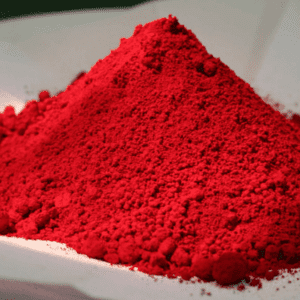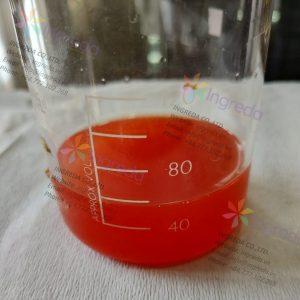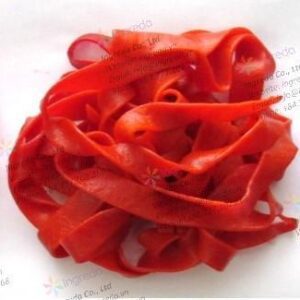


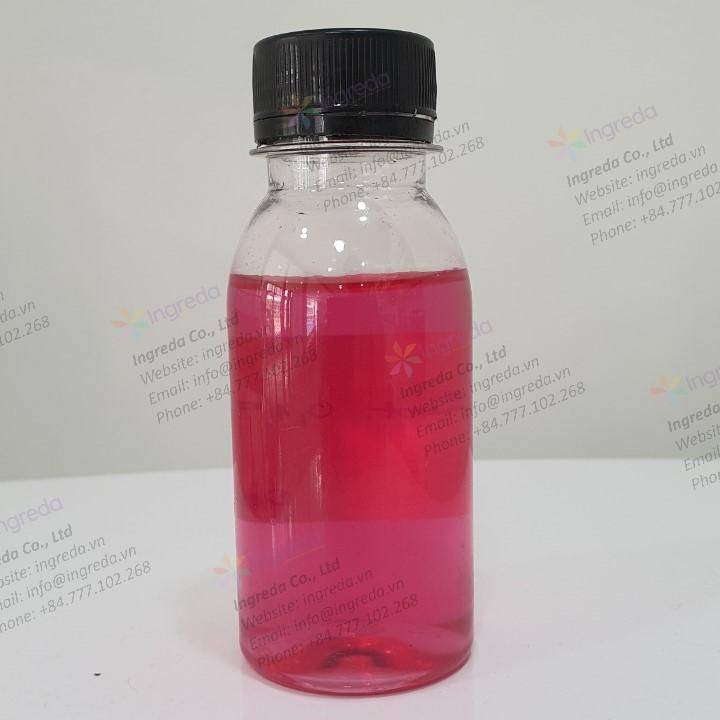

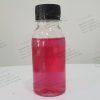

Red Beet color, also known as red beet extract, beet color has a slightly purple red tone. The main pigments that make up the characteristic color are betacyanins belonging to the Betalain group (accounting for > 75%), the rest are yellow Betaxanthine pigments and other light brown pigments.
Beetroot color is often used as a natural food coloring in a variety of products, including yogurt, ice cream, fruit preparations, confectionery, baked goods, and even meat products. It can impart a pleasing red or purple color to these items. With the increasing demand for natural and clean-label food products, red beet color has gained popularity as it is perceived as a healthier alternative to synthetic food colorings.
Red beet color is valued not only for its ability to add color to various food and beverage products but also for its natural origin and potential health benefits associated with beets. It is widely used in the food industry to create visually appealing and consumer-friendly products.
Characteristics of the color of Beetroot (Red Beet)
- The color of the Red Beet solution changes markedly with the pH. The color range changes from red -> purple pink -> blue -> yellow (corresponding to pH changes from strong acid -> strong alkali).
- Purple red tone can be a good substitute for synthetic colors like Allura Red, Ponceaur 4R.
- Less durable when exposed to elevated temperatures and direct light.
Application
- Creates alternative red to purple-red shades for synthetic colors FD&C Red 40 (Allura Red), Ponceaur 4R, Carmoisine,…
- Good application in beverage products, yogurt, hard candies, cakes, processed meats such as sausages, surimi,…
Dosage and storage
- Typical dosage ranges from 0.01 to 0.5% depending on preference.
- Store at a temperature lower than 25°C for liquid colors.
Besides beet color (Red.Beet), Ingreda is currently providing other NATURAL COLOR products to meet the needs of customers.