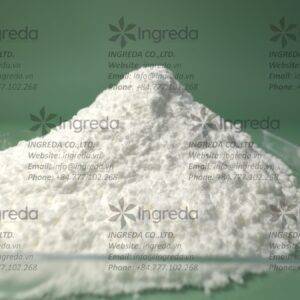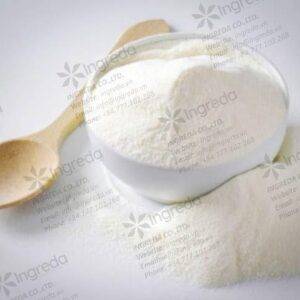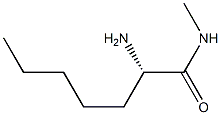


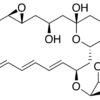
Natamycin (E235) is naturally in the soil and is a result of the fermentation process of natural bacteria. Scientists have observed that this substance inhibits the growth of yeast and mold through a mechanism that interferes with nutrient absorption.
It is commonly used in food products such as cheese and sausages. It extends the shelf life and reduces food waste naturally. In some countries, depending on regulatory approval, Natamycin is also used in other products such as bread, pastries, beverages, and yogurt.
Properties:
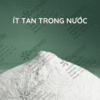
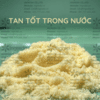
Natamycin is odorless, tasteless, and has a low water solubility.
E235 is stable over a wide pH range (3-9). Since most foods have a pH value between pH 4 and pH 7, making it a versatile food preservative that helps prevent yeast and mold from appearing in foods.
Advantages over sorbate:
- No bitter taste, no effect on bacteria, so it is very suitable for dairy products, fermented meat.
- Sorbate is only able to inhibit, not to kill yeast and mold like Natamycin.
Applications
E235 can significantly extend the shelf life of many products. The first and most widely approved areas of application for Natamycin were cheeses and fermented meats. These foods require preservation against yeast and mold but need to allow the culture (i.e. bacteria) to remain active.
Dosage:
Depending on the type of food, the amount of Natamycin used ranges from 3-20ppm.
You can explore more of Ingreda’s other preservatives at Preservatives.